Does parenting get easier? Nope, you just get more resilient

You’re about to discover just how strong you really are. That’s the sentence I find myself saying to friends about to have babies.
I say it because it sounds wise and reassuring, but also because it’s gentler than saying “That child is going to DESTROY YOU – but don’t worry, you’ll cope.”
The trick to parenting is resilience. Without it, you’re screwed. But the good news is, you can’t help but develop it.
As I see it, these are the three main things that simultaneously test and build your resilience when you’re a parent.
1. The fact that you don’t really have a choice
My daughter is almost 16 months old and at no point in her life so far have her demands been negotiable.
When she wants milk, she wants it now. When she wants a snack, she wants it now. When she wants me, for reasons only she understands, to let her into the bathroom so that she can grab a clean nappy and wear it around her neck like a scarf, she expects this opportunity to come about THIS INSTANT.
Since the moment she was born, it’s been our job to give her what she needs, when she needs it. No matter how tired, emotional, confused, scared, fed up, distracted or lost we felt, we had to keep going.
What it means to be truly at someone’s beck and call 24/7 takes some getting used to. You know that’s what you’re signing up for, but not what the reality will feel like.
I’m grateful that I don’t have a choice in the matter, that it’s my duty to serve her, and that I’m unable to function if she’s unhappy. Because it means I don’t have time to stop and think.
I don’t take a moment at 3am when she’s calling for me, to ask if this particular moment is convenient. And I don’t make time to notice that I’ve made her breakfast everyday for almost a year and a half now and never once has she even offered to make mine.
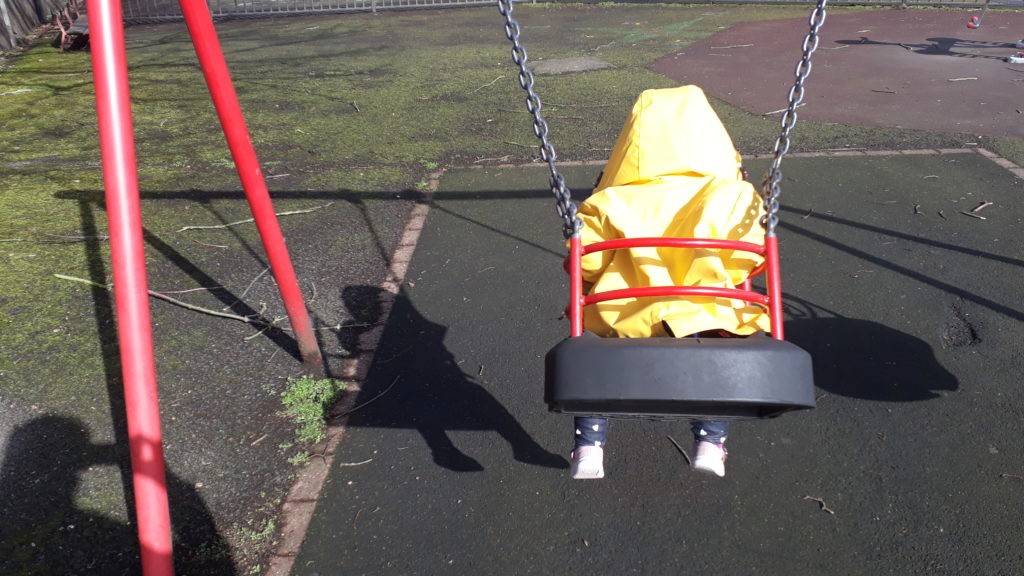
This is my job and I need to show up for it, rain or shine.
But of course that doesn’t mean your wellbeing isn’t important. Strength comes from giving yourself permission to matter too. To speak honestly about how you feel, to do activities with your baby that fill you both up, and to acknowledge that if you’re happy, they’re happy.
2. The fact that the best and worst bits will be a surprise
Your resilience is tested every time something happens that you weren’t expecting. Which is all the time.
Every single one of our best and worst moments has come out of the blue.
I didn’t expect to find breastfeeding so difficult.
I didn’t expect to realise in the middle of Heathrow Airport after we’d checked in our luggage, been through security, and ordered an ill-advised salad with a well-advised side order of chips, that those spots on our daughter’s ears were chickenpox and we wouldn’t be flying anywhere today.
I didn’t expect to spend 28 hours in hospital with her whilst she had antibiotics pumped into her little veins to rid her of an eye infection.
I never expect her to fall over but she does, all the time.
I often lie awake at night worrying about all the things that could happen and trying to work out how I can become organised enough to ensure that they won’t.
It’s a tough moment when you realise that there are only so many to-do lists you can write and parenting articles you can read. Surprises will still occur. But with every one that does, you gather more evidence that you can and will cope.

3. The fact that your heart lives in your child’s hands, and they can crush it whenever they like
I can find the words to describe most things, but I can’t describe the way I feel about my daughter.
When she was born, the love was so overwhelming that it broke us; more than the sleep deprivation or the attempts at feeding, or the c-section recovery. The hard and fast tumble in love with this baby was almost more than we could handle.
But of course, only almost. You get used to functioning in a world where you feel this way.
You get used to feeling genuine physical pain when your child cries.
You get used to how brutal it feels every time one of your efforts to give them a good start in life is rejected – a homemade muffin chucked on the floor, an attempt to get them dressed that ends in tears, a lovingly-read bedtime story during which they get up and leave the room.
You get used to feeling guilty every time they get ill, sad, hungry, thirsty, too hot, too cold, frustrated you won’t let them eat paper, displeased with one of their socks… basically every second of the day.
All I want on this earth is for my daughter to be happy, but because she’s a human being, she’s going to experience a lot of other emotions as well. As her mum I have to become resilient enough to handle that reality.
Because it’s not just me who needs to be able to cope. I have to help her grow up ready to face the highs and lows life will throw her way, too.
 They’re not so much resolutions, you see, as choices I want to make about how I live my life and how I think, this year. I figure that if I focus on these, the life goals that I have – the writing work I want to do, the creative projects I want to develop, the marvellously calm and fulfilling home and family life I want to create – will all feel more achievable.
 2. Focus on what I can control: My words, my actions
 5. Remember that my achievements incorporate everything I’m doing
 “So, are you ready?”
 A couple of years ago one of my best friends and I arranged to spend a Saturday at a spa.
 On reflection it took me months to admit what was happening to me. I thought that it would pass. I thought that I could handle it. I thought I had to handle it. Saying it was only the beginning – I had a long way to go before things got better – but you can’t get to step 20 without taking step one, and once I’d taken it, I didn’t look back.
 Somebody put this on Twitter recently and I’ve been thinking about it ever since.
 And I’m really happy about it, but I also spend a lot of the time that I could dedicate to being pleased to worrying. About messing up a job, or not finding the next one, or how I’ll manage to fit it all in. Your mind sees the opportunity to step back and feel content and fills the time with concern instead, the silly sausage.
 “Oh my goodness, WHAT HAVE WE DONE”
 “If I’m not careful, one of these days I’m just going to wet myself”
 We’ve just spent a glorious week’s holiday in Menton in the south of France. I’d never heard of it before we booked our flights a few weeks ago and now I have it to thank for a much needed seven days of rest, swimming in the sea, and more photograph-taking opportunities than any Instagrammer could hope for. (I’ve written a little guide to my favourite
  2. Using your phone in a more considered way
 4. Having a right good look at everything
 5. Listening to what you need
 I’ve been thinking a lot about bravery. Not large-scale, obvious bravery, deserving of medals and ceremonies, but everyday acts of courage that can easily go unnoticed.
 But this is not how we treat our friends. So many of our conversations with each other are about courage. About being brave enough to speak up at work, to ask for what we want from a relationship, or to overcome our imposter syndrome and keep following our dreams.
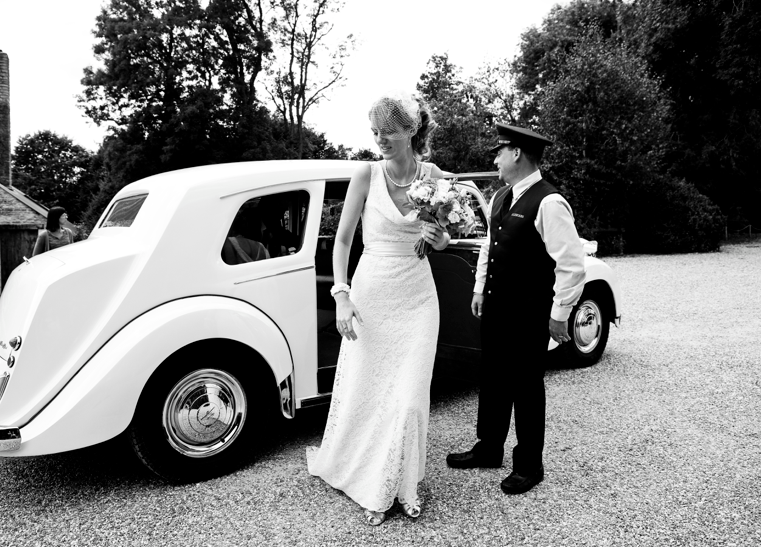
 I can count on one finger the number of times I’ve walked into an event and been 100% confident that I was wearing the right thing. It was my wedding day so I wore my wedding dress and I stand by that decision.
 As ever, a discovery that’s made me feel better is now on here for you to try should you wish to, along with it a list of rules I’m now living by when it comes to my clothes.
 4: Have a regular clear-out
  All of a sudden we’re a pair of Londoners who own a car. It’s been a while since I was behind the wheel so I’ve been a little nervous. Partly because this is London and people here aren’t exactly known for their patience, and partly because I’m in my thirties now and a lot more aware of the vast array of things that could kill me than I was when I was younger.
 It’s obvious when you see it written down, and yet so easy to forget when you’re busy or stressed or running low on self-esteem. He also suggests saying to yourself “It’s fine” when somebody does something that you don’t like but can’t change, to stop you from dwelling on the wrong things. (This obviously doesn’t apply in the face of crime/injustice; it’s for more small-scale, day to day irritations.)
 You also can’t control the state that you find somebody in in any given situation – nor can you be expected to somehow know everything about them in advance. Their past, their fears, whether they’re hungry or tired or sad, if they’ve got a cold or a headache or a nasty itch on their back that just won’t go away. All you can do is try to be nice and fair and perhaps guide them to the nearest tree to use as a scratching device. Every time I remember that the way people behave ALWAYS has a billion times more to do with them than it does me, I feel a lot calmer.