Be your own adjudicator

‘Should’ can be an unhelpful word, particularly when we use it as a weapon with which to beat ourselves.
Life is fast and competitive and it’s easy to feel overwhelmed by our awareness of what other people are doing. I enjoy feeling connected to people I know and people I don’t via social media, and getting little insights into lives that are different from mine. But I can also feel myself drawing unhelpful comparisons. Noticing things that other people do that I don’t, and interpreting them as evidence of my failings.
But just because something exists as a possibility, it doesn’t mean that you should do it. It’s just one of the options. Do it or don’t, no-one cares.
My problem is that I hear ‘should’ when it’s not even being said. I confuse hearing somebody say “I am doing XYZ” with “You should be doing XYZ.” I see people talking about how they’re raising their children or building their careers or decorating their homes, and forget that what they’re saying has no relation to me.
I’ve always struggled with the fear that I’m not doing the right thing. I don’t mean morally or legally – fear is such a dominant emotion for me that I’m always pretty confident I’m on the right side of the law. No, I’m worried about doing The Optimum Thing.
If we’re on holiday and looking for a restaurant, I’ll worry about choosing the ‘right’ one. What if we’d have had a better time elsewhere? What if that table by the window would have enhanced our experience? What if sitting this near the loos ruins the ambience? What if it’s actually this thought process that’ll ruin our night?
 And now that I’m a parent, I – like every single mother on earth, probably – worry that I’m not doing everything I ‘should’ do for my daughter. Should we be at a class? Should we be socialising? Should we be playing educational games indoors? Should I be doing more to make the most of her – whatever that means? As if just loving and caring for her with everything I’ve got isn’t enough.
Parenting is relentless decision making. And what’s harder than being the person who has to make them all, is the realisation that nobody’s going to come along and let you know if you’re doing it right. You just have to trust yourself in the moment.
When our daughter was very small, I used to imagine there would be a time in years to come when she’d say to me: “Mum, you know that day when I was so upset in January 2018? It’s because I wanted you to heat my milk up/put me to bed/ turn off that unbearable episode of Gossip Girl.” But as the sleep deprivation started to wear off, I realised: That’s not going to happen.
You’ll never know if you did the right thing, because the right thing doesn’t really exist. There’s no list, charting all the options in order of preference, nor is there a jury waiting to judge you on your choices. We have to be our own adjudicators.
It’s true for all areas of our lives. There’s no adjudicator who’s going to come and tell you which career path you ‘should’ have taken, which date you ‘should’ have gone on, or which Netflix series you ‘should’ have chosen to best entertain your baby. We did what we did based on the information we had at the time – there’s no other way to do it.
 Since becoming a mother I’ve learnt that, to be happy, I have to accept my choices as I make them, one by one. Decisions require my attention quickly; I don’t always see them coming. I can’t always nail it, and, if I’m not careful, I’ll spiral into a long and pointless thought process about what I ‘should’ have done instead.
But now I’ve realised how unhelpful that is, and how many moments with my baby I’ll miss if I spend all my time analysing what I’ve done in the past.
Instead it’s better to focus on making decisions that suit us both today. My daughter is the most important person in the world to me, and I’m that to her, too. So when I’m deciding how we spend our time, it’s OK that I do so with what I need in mind as well – my energy levels, my mental health – because if I’m well, so is she. As I’ve written before, the inherent guilt of parenting makes it hard to prioritise yourself, but with nine months of experience under my belt, I can tell you: you must.
So I want to park the ‘should’ and have a little more faith. In myself as a parent and as a fallible human being, and in the need for there to be healthy differences between how we all lead our lives.
Because time will pass, no matter how we spend it. And to hand more of our precious hours over to regret, rather than to joy, and to self-criticism rather than kindness, feels like the kind of waste we should all do our best to avoid.
 Somebody put this on Twitter recently and I’ve been thinking about it ever since.
 And I’m really happy about it, but I also spend a lot of the time that I could dedicate to being pleased to worrying. About messing up a job, or not finding the next one, or how I’ll manage to fit it all in. Your mind sees the opportunity to step back and feel content and fills the time with concern instead, the silly sausage.
 I’m going to keep this brief because I’m tired. To do anything else would go against the very purpose of this post: to talk about avoiding burnout.
 We’ve just spent a glorious week’s holiday in Menton in the south of France. I’d never heard of it before we booked our flights a few weeks ago and now I have it to thank for a much needed seven days of rest, swimming in the sea, and more photograph-taking opportunities than any Instagrammer could hope for. (I’ve written a little guide to my favourite
  2. Using your phone in a more considered way
 4. Having a right good look at everything
 5. Listening to what you need
 Existing on this planet feels particularly tough at the moment. In the UK the past few weeks have seen attacks on innocent people, and more horror and sadness that any of us wanted to imagine. It’s impossible to comprehend let alone accept what’s been happening, or the pain and suffering that those affected, their families and friends are going through.
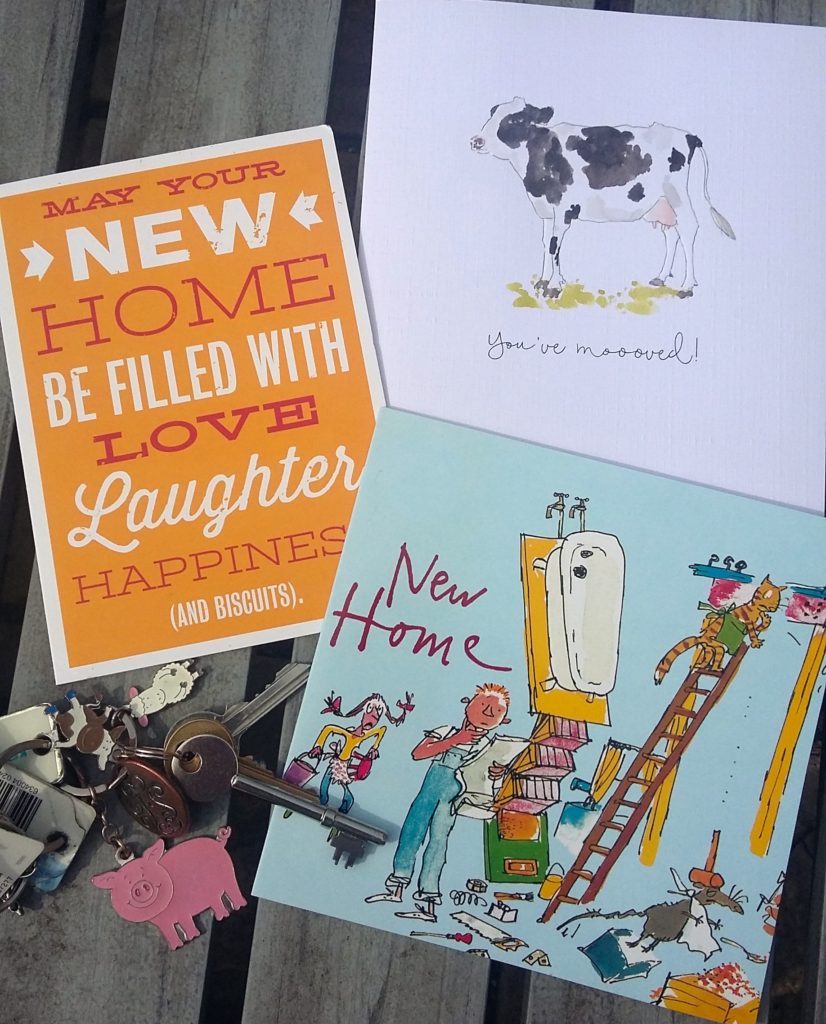 We’ve moved. Not far, just around the corner in fact, but we may as well have emigrated to the moon, such was the level of admin and boxes and general chaos involved. But we’re in now and the new flat is slowly starting to feel like home. The rest just feels like the results of a jumble sale I attended whilst drunk and bought everything in sight, but we’ll get there.
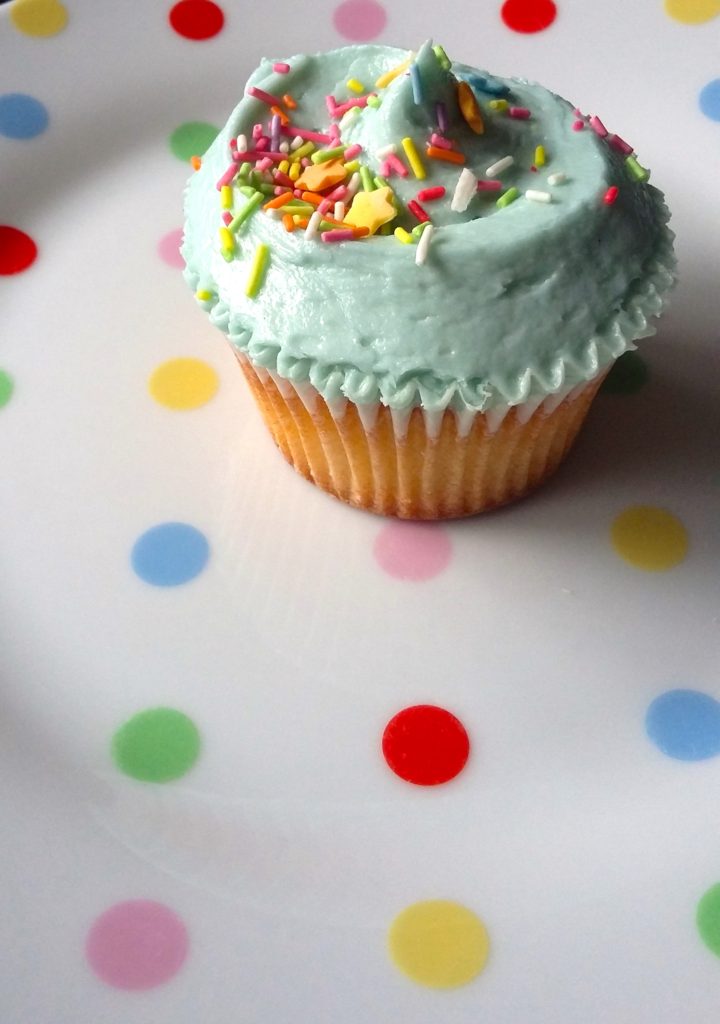 2. You really should do a clear-out before you pack up, but don’t beat yourself up when you inevitably don’t
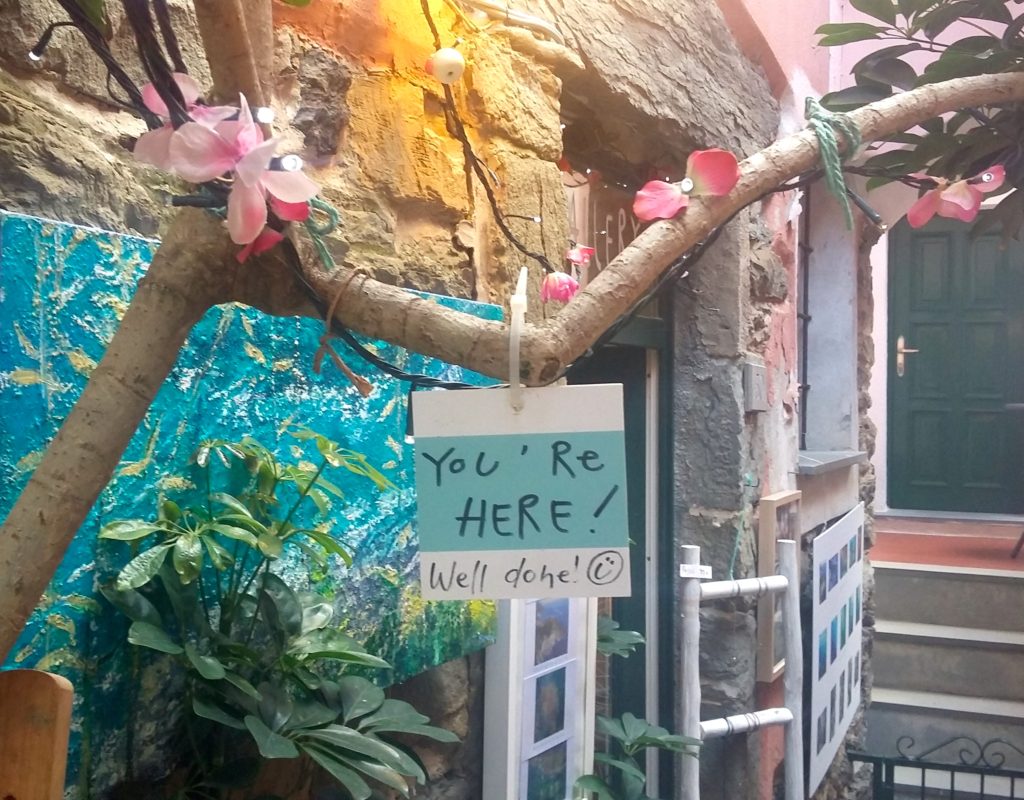 4. The bad news is, you’ll still be you when you get there
 6. Nobody knows what’s around the corner
 All of a sudden we’re a pair of Londoners who own a car. It’s been a while since I was behind the wheel so I’ve been a little nervous. Partly because this is London and people here aren’t exactly known for their patience, and partly because I’m in my thirties now and a lot more aware of the vast array of things that could kill me than I was when I was younger.
 It’s obvious when you see it written down, and yet so easy to forget when you’re busy or stressed or running low on self-esteem. He also suggests saying to yourself “It’s fine” when somebody does something that you don’t like but can’t change, to stop you from dwelling on the wrong things. (This obviously doesn’t apply in the face of crime/injustice; it’s for more small-scale, day to day irritations.)
 You also can’t control the state that you find somebody in in any given situation – nor can you be expected to somehow know everything about them in advance. Their past, their fears, whether they’re hungry or tired or sad, if they’ve got a cold or a headache or a nasty itch on their back that just won’t go away. All you can do is try to be nice and fair and perhaps guide them to the nearest tree to use as a scratching device. Every time I remember that the way people behave ALWAYS has a billion times more to do with them than it does me, I feel a lot calmer.
 I don’t always love musicals. I tend to want everyone in them to calm down. But not this time. I loved everything about La La Land: the singing, the dancing, the romance, and ohmyword the soundtrack. (For those in pursuit of joy: it’s on Spotify).
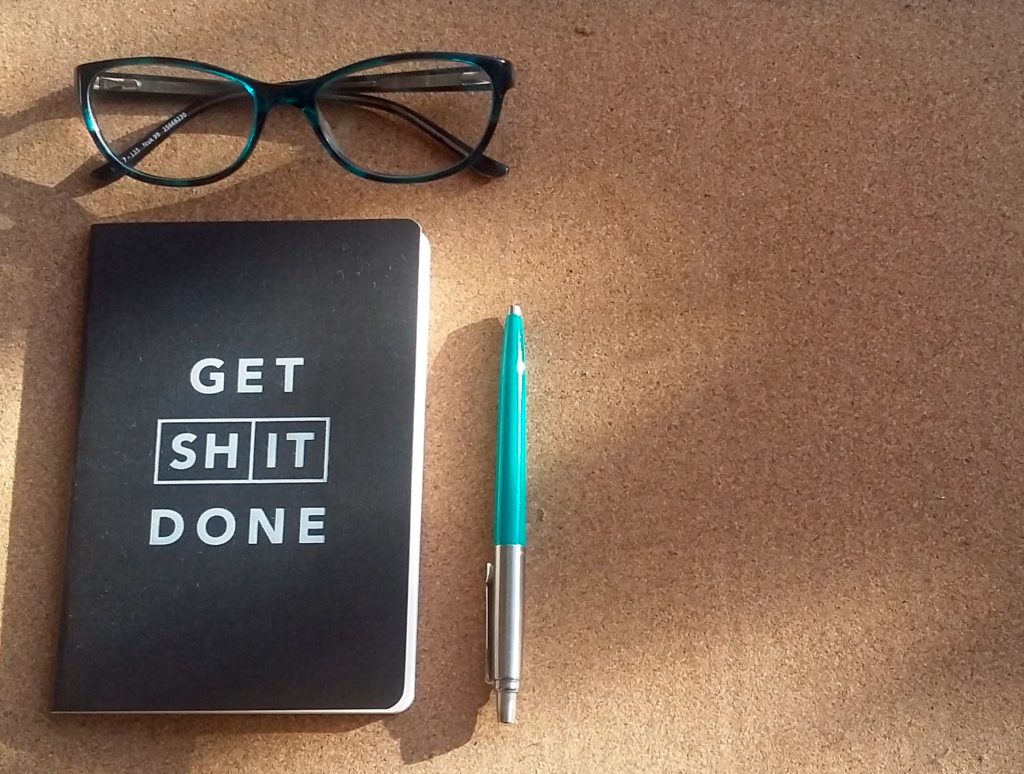 3. Someone in the crowd could be the one you need to know
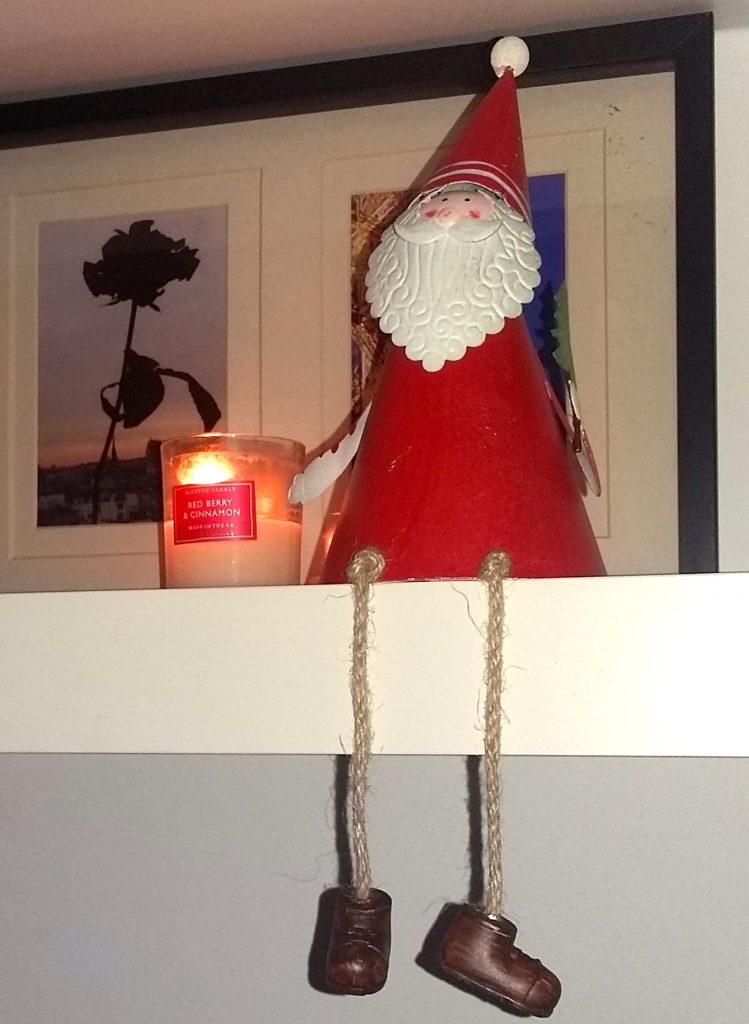 1. Watch It’s A Wonderful Life and pretend that’s the reason why you’re crying
 5. Make plans to see people in January
  There comes a moment when you have to stop blaming technology for distracting you from what you’re supposed to be doing, and take responsibility for the level to which you’re letting yourself be distracted.
 3. You don’t need to have the Internet switched on all the time.
 6. Make better use of Twitter lists.